
Blog
Practice your reading, listening and writing skills in English while you improve your vocabulary, increase your knowledge about Canadian culture, and find new resources for further language study.
We post a new blog entry every Tuesday and Friday.

to have a crush on + SOMEONE
– B1-B2 (intermediate) –
In Canadian English, this common expression typically means…
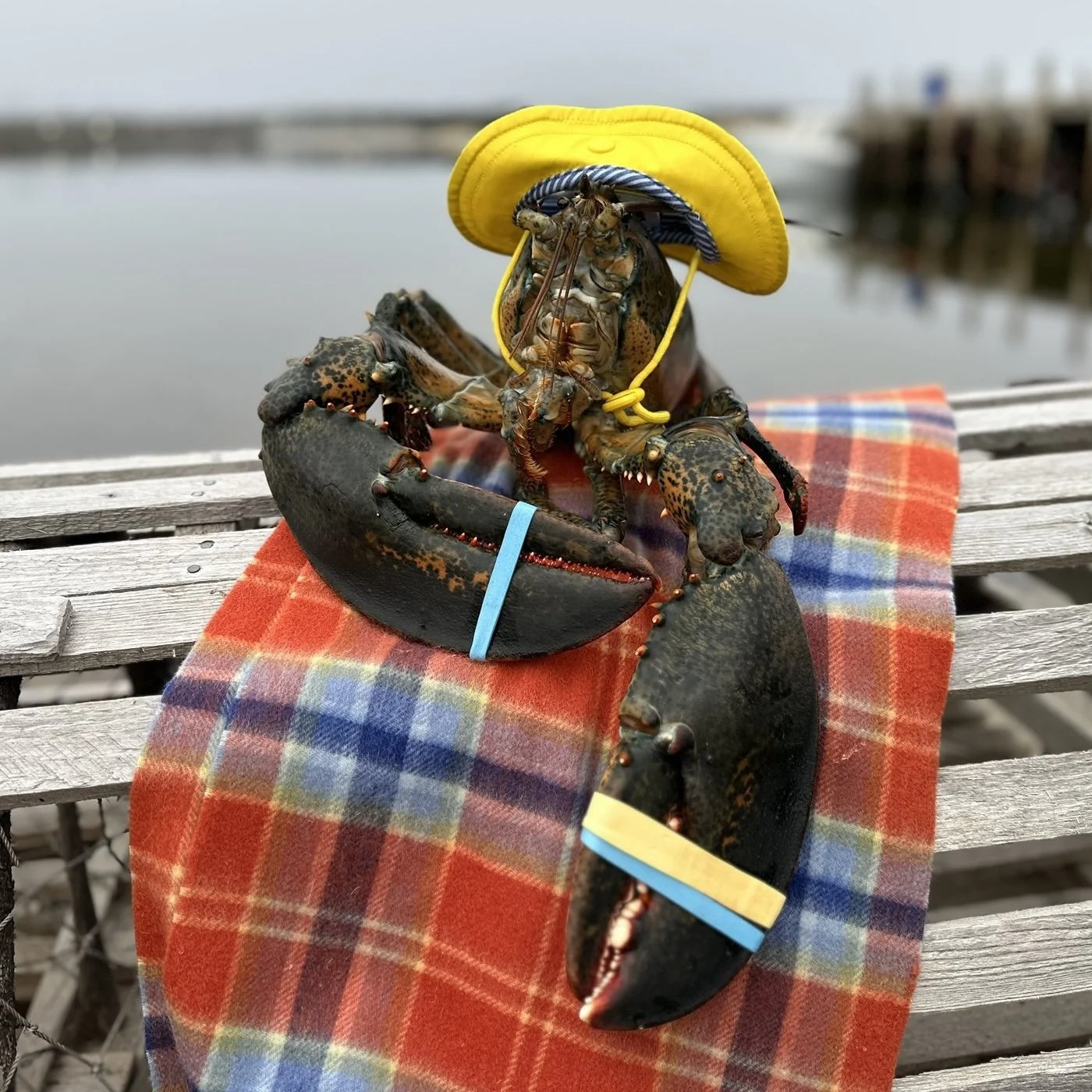
Groundhog Day In Canada
– B2-C1 (intermediate to advanced) –
Groundhog Day is an annual holiday of much fun and celebration in Canada. Do you know what Canadians do to celebrate it? You can learn about it here…
exercise vs. sport
– A2-B1 (beginner to intermediate) –
It is common mistake among English learners to confuse the words “exercise” and “sport.” These words do not mean the same thing in Canadian English…
to do over
– B2-C1 (intermediate to advanced) –
In Canadian English, this phrasal verb typically means…
Most Popular Posts
father vs. dad vs. daddy
— B2-C1 (intermediate to advanced) —
A common mistake that many language learners make is using the word, “daddy,” when it is not appropriate. “Daddy” does not mean the exact same thing as “dad” or “father.” It’s meaning changes based on context: your age, the age of the person you’re speaking to…
melting pot vs. cultural mosaic
— C1-C2 (advanced) —
There are many different types of multiculturalism. You may have heard of one type, the melting pot, but that does not describe the multiculturalism that exists in Canada. Do you know what type describes Canadian society?

5 Indigenous Words Used In Canadian English, Part I
— C1-C2 (advanced) —
This has been one of our most popular blog posts for several months now. Learn what five Indigenous words Canadian English has borrowed and uses in everyday life. But don’t stop there! There is also a Part 2 and 3, where you can learn 10 more Indigenous words common to Canadian English….
Archive
- February 2026 4
- January 2026 9
- December 2025 9
- November 2025 9
- October 2025 9
- September 2025 9
- August 2025 7
- July 2025 9
- June 2025 9
- May 2025 10
- April 2025 9
- March 2025 8
- February 2025 8
- January 2025 10
- December 2024 12
- November 2024 9
- October 2024 9
- September 2024 8
- August 2024 10
- July 2024 11
- June 2024 10
- May 2024 10
- April 2024 11
- March 2024 11
- February 2024 10
- January 2024 10
- December 2023 8
- March 2023 16
- February 2023 17
- January 2023 21
- December 2022 23
- November 2022 22
- October 2022 2
Tags
Are you looking for blog posts on phrasal verbs, idioms, or other elements of the English language? Click on the tag below that interests you. You will be provided with all the blog posts that feature that element.
- a2
- aave
- adjectives
- adverbs
- africa
- aint
- animals
- appearance
- art
- australia
- b1
- b2
- BodyParts
- books
- buildings
- business
- c1
- c2
- canada
- change
- christmas
- CityLiving
- clothing
- colours
- CommonMistakes
- comparison
- conditional
- ConnectedSpeech
- contractions
- courtesy
- death
- education
- ellipsis
- emotions
- english
- food
- furniture
- future
- FutureSimple
- games
- geography
- gerund
- get
- health
- heritage
- HobbiesInterests
- holidays
- home
- identity
- idioms
- imperative
- jargon
- lifestyle
- LoanWords
- ModalVerbs
- movies
- music
- nature
- negation
- neologisms
- numbers
- OnTheStreet
- parenting
- PassiveVoice
- PastPerfect
- PastPerfectContinuous
- PastSimple
- PastSimpleContinuous
- people
- personality
- PhrasalVerbs
- podcasts
- politics
- possessive
- PresentContinuous
- PresentPerfect
- PresentPerfectContinuous
- PresentSimple
- PresentSimpleContinuous
- punctuation
- questions
- relationships
- religion
- routine
- shopping
- shows
- slang
- SocialMedia
- society
- sports
- technology
- time
- travel
- uk
- usa
- vacation
- verbs
- weather
- winter
- work